
Developing Histories
by Lucy Dawson
Abstract
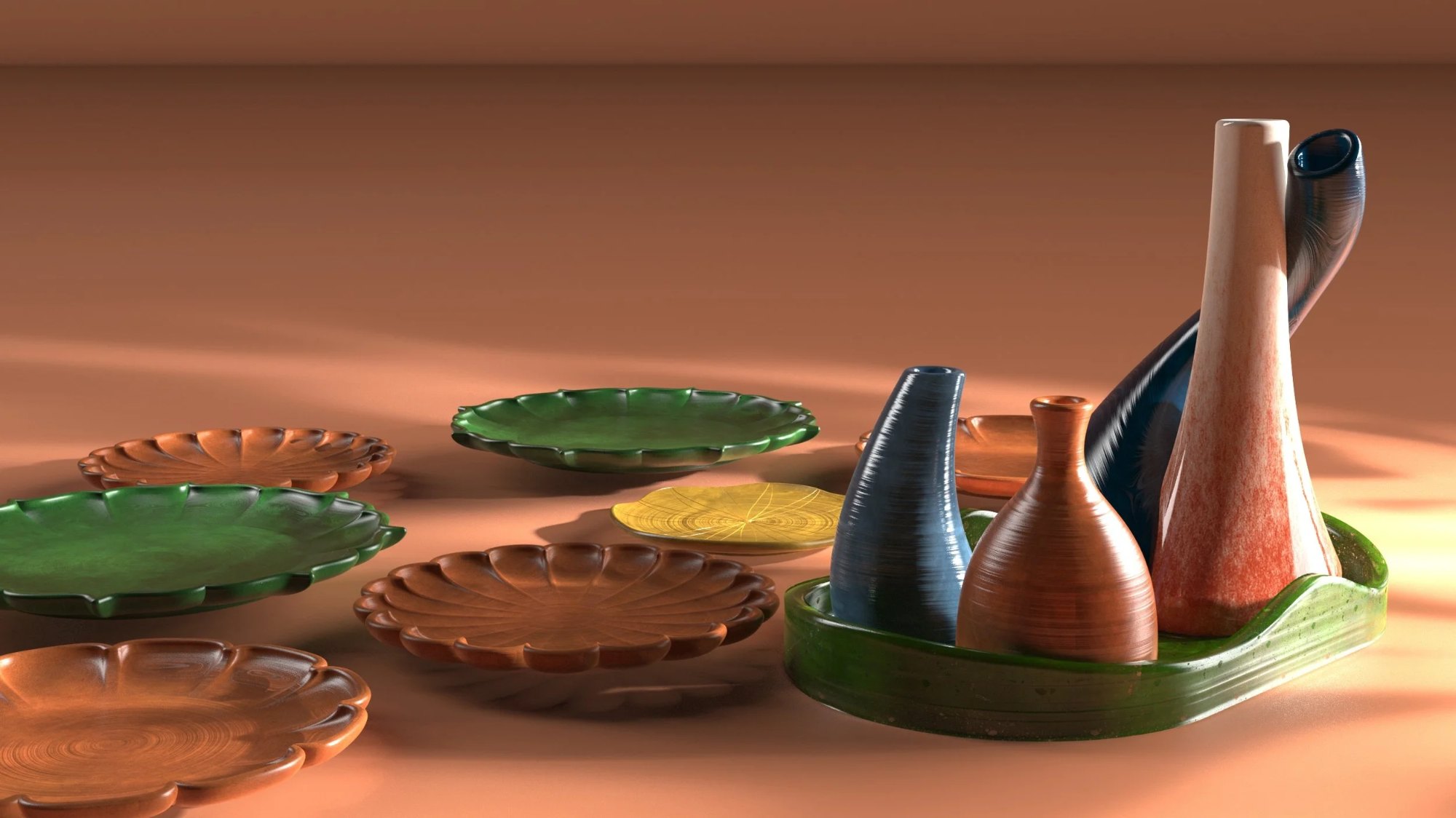
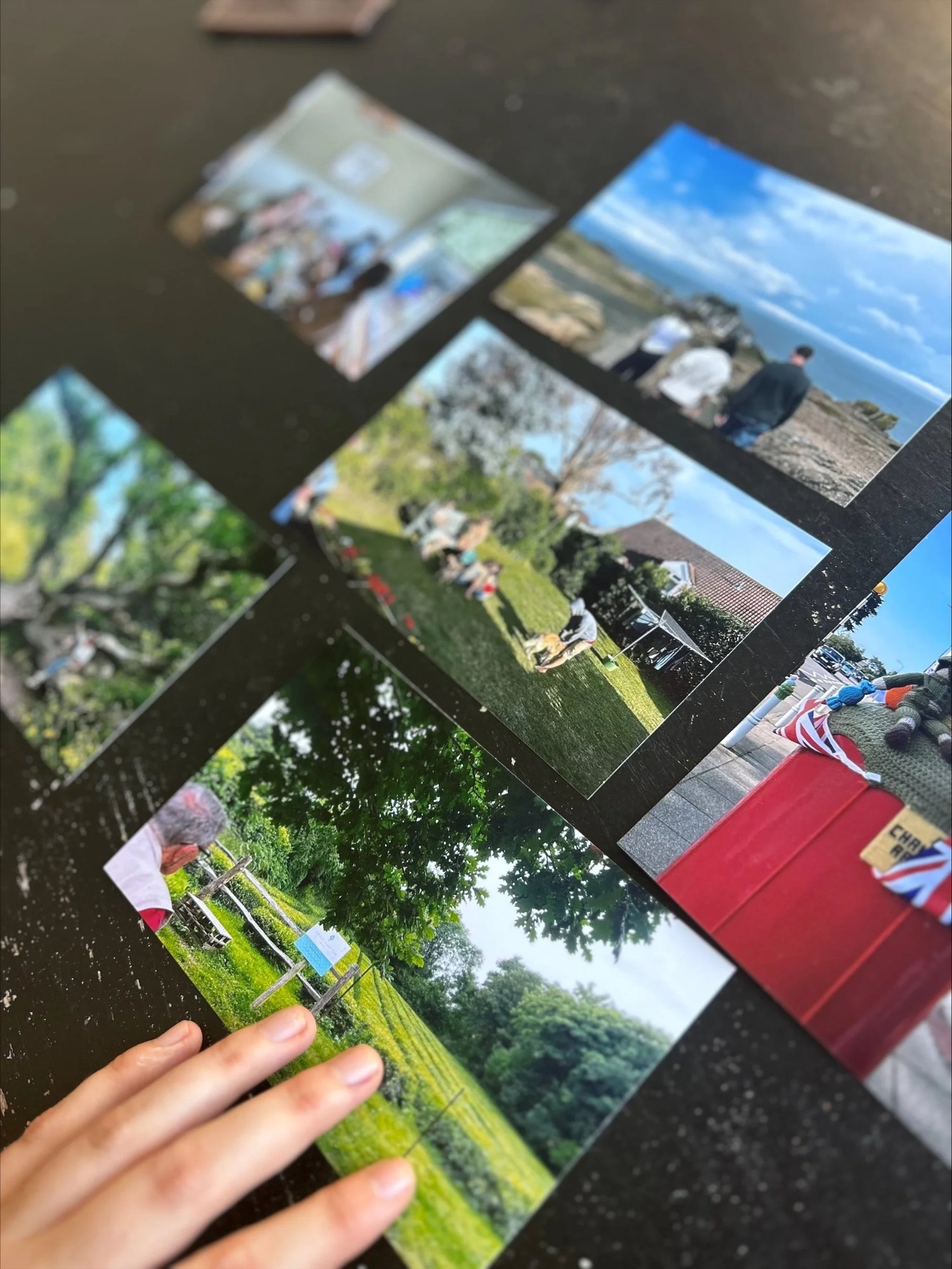
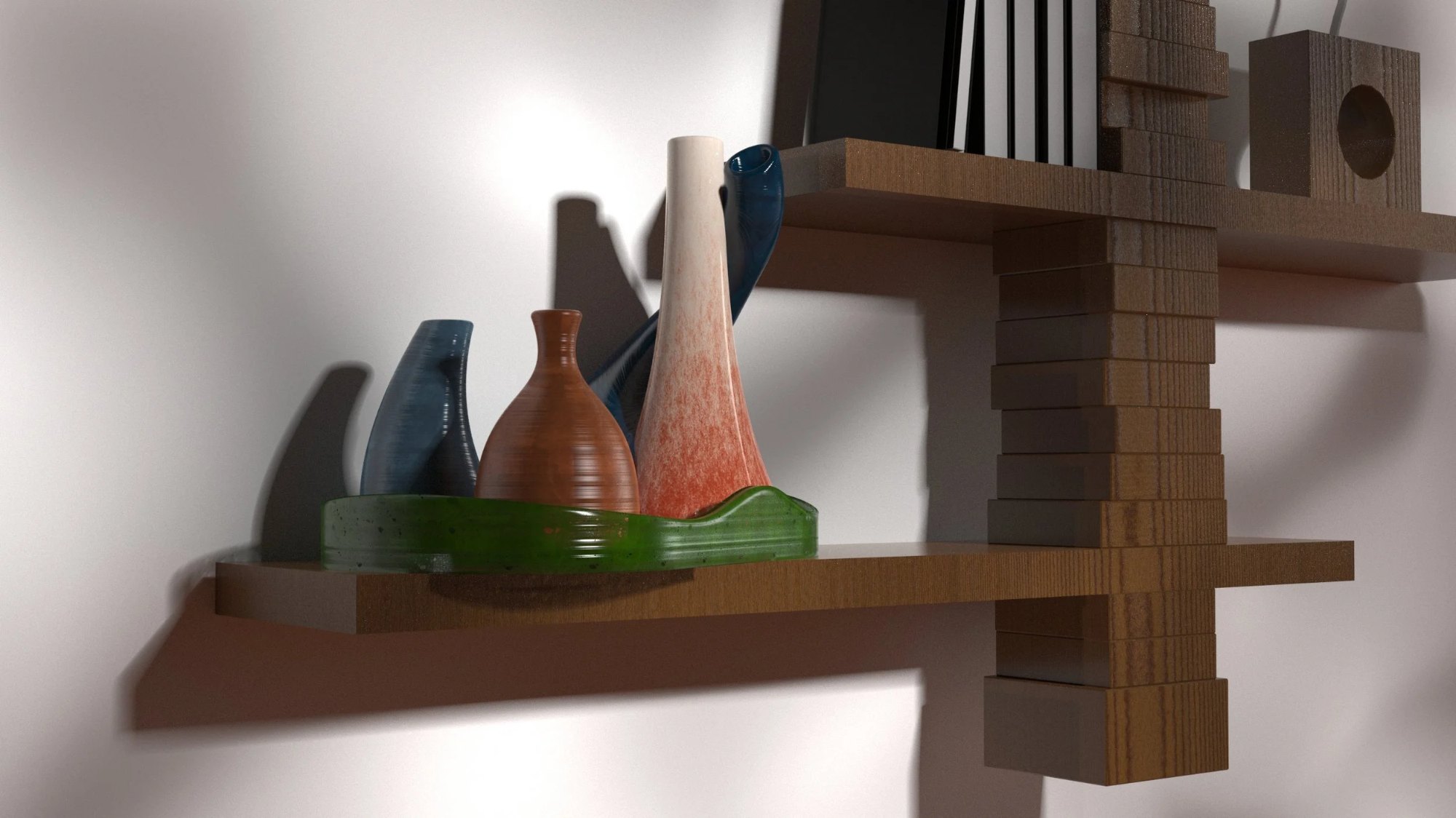
As convenience and accessibility become the focus of consumer values, a growing disconnection between users and their photographs has been created, leading to them being less appreciated and shared due to over saturation. This research will primarily focus on the disconnection with photographs as well as homewares, as these mediums serve as a reflection of personal identities and stories and can therefore benefit from their collaboration. This study adopts a research-led design approach to examine the opportunity to reimagine popular design and manufacturing production methods, to create a design process that works closely with the user and their personal histories to produce long-lasting sentimental homewares. This paper aims to achieve this by analysing the values, memories, and beliefs that photographs hold, exploring how these associations can be translated into a physical product.By co-designing homewares that reflect personal photographs and memories, a meaningful bond with the product is formed even before it is produced, helping to reduce over-consumptive behaviours. Consumers are increasingly interested in sustainable design but often require an incentive to make a purchase. This project addresses the intention gap by establishing points of emotional connection through utilising personal photograph inspiration and codesign process in the production phase to create more user agency, a stronger bond of ownership, and exposing the user to the value of small-scale design processes. This study aims to influence both consumer and manufacturing behaviours surrounding the production, purchasing, and long-term use of their products by downscaling the design and manufacturing process to focus on and celebrate individuality, providing a model for creating homewares that are emotionally valuable to be shared, discussed and appreciated more often.
“By co-designing homewares that reflect personal photographs and memories, a meaningful bond with the product is formed even before it is produced, helping to reduce over-consumptive behaviours. Consumers are increasingly interested in sustainable design but often require an incentive to make a purchase.”
Design Intent
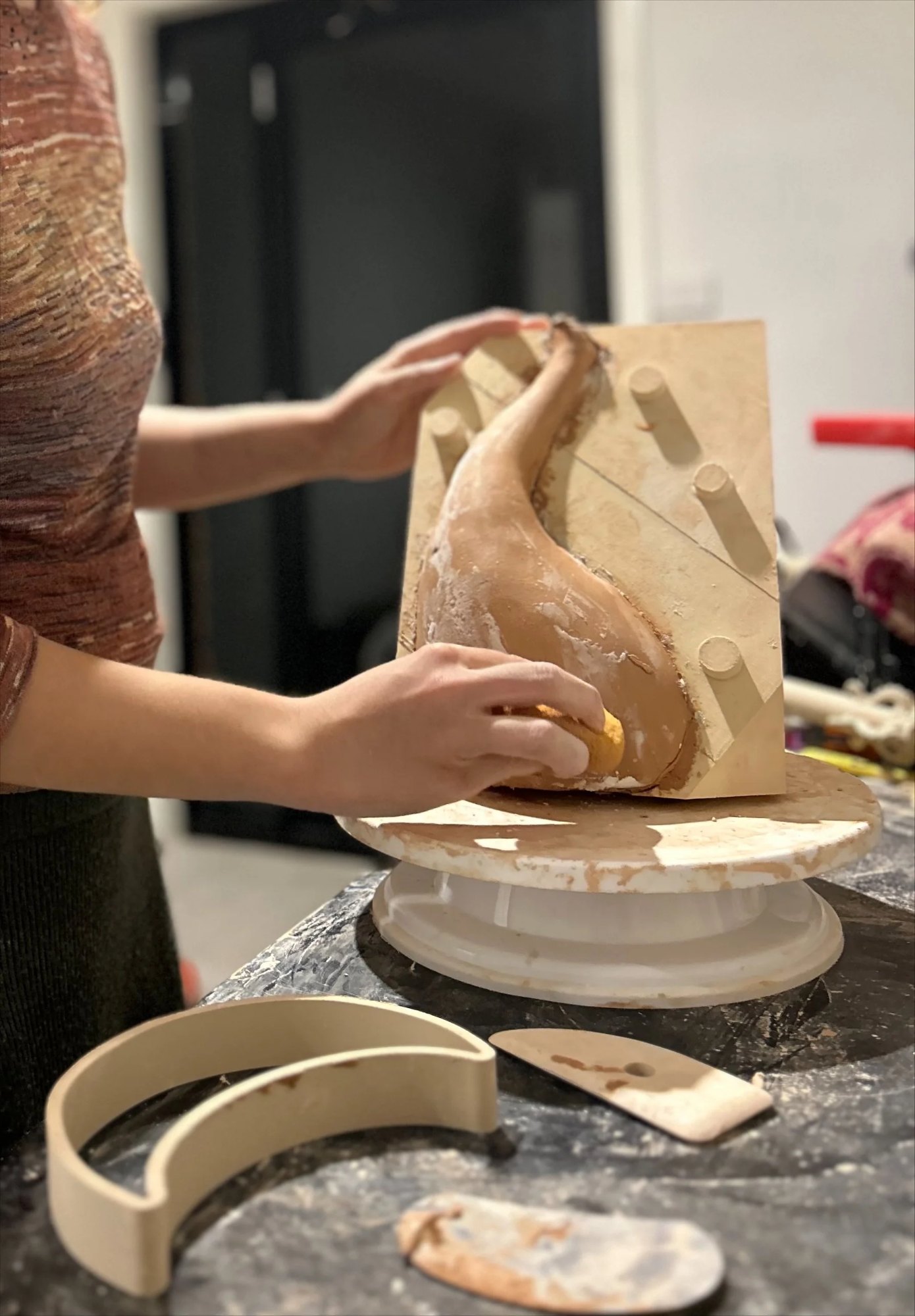
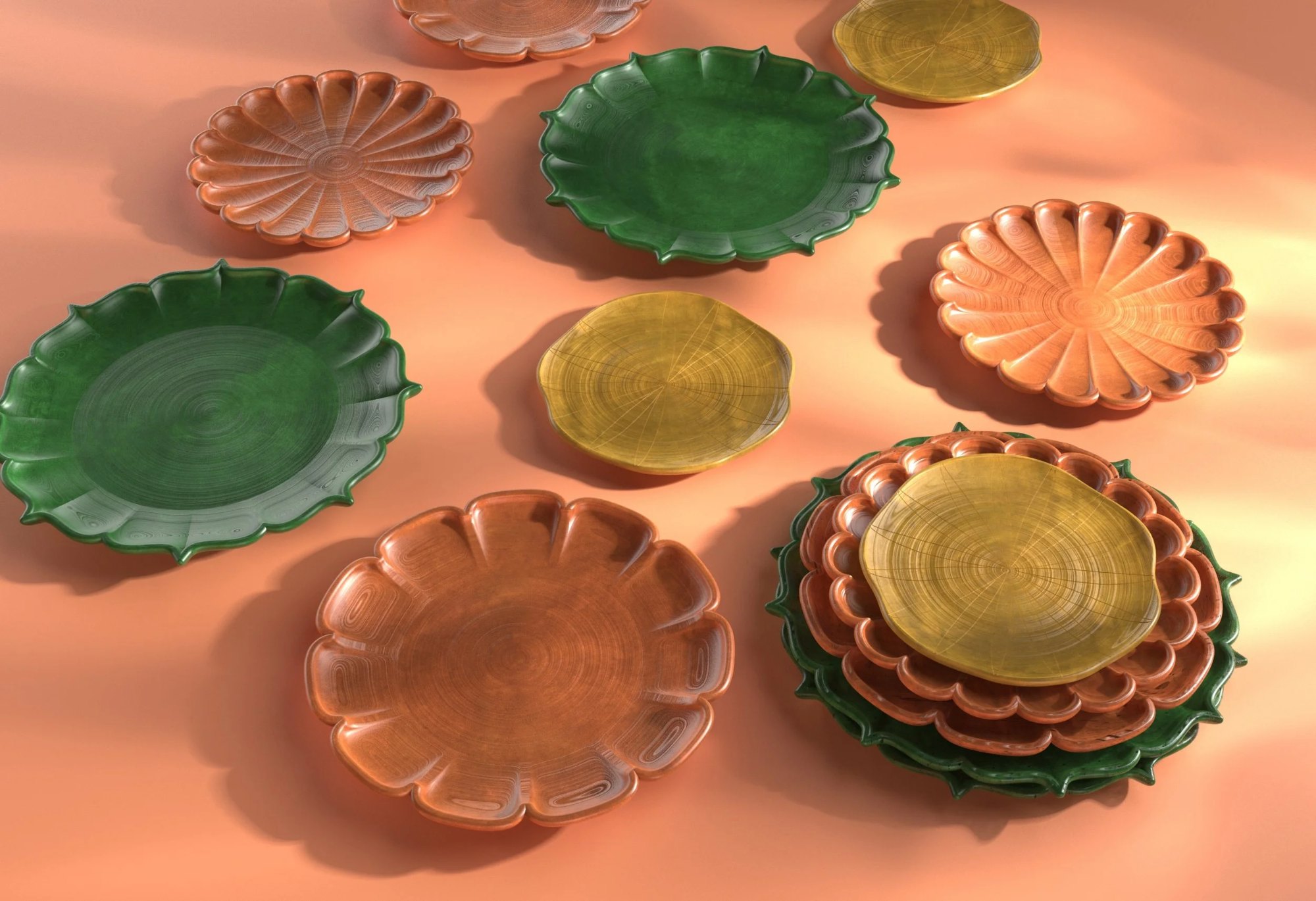
This research aims to develop a co-design methodology that creates emotionally symbolic homeware products that users can regularly use and share with loved ones to serve as a physical alternative in a digital age.
Bio
I am driven by the belief that good design should bring quiet joy, meaning and clarity to everyday experiences. My work is grounded in human-centred design to understand the behaviours, emotions and needs of my users and translate these insights into products that create impact to both the world and the individual.